![Carte Blanche [Skateboarding]](https://storage.ghost.io/c/e8/66/e866238d-c304-4142-8930-e488e4890869/content/images/2026/08/Carte-Blanche---Skateboar-4.png)
The Playbook and the Update
Tony Hawk asks Ema Kawakami how long it took him to learn a 900.
“One day.”
Hawk laughs. It is the laugh of someone briefly confronted with a version of reality that makes no sense.
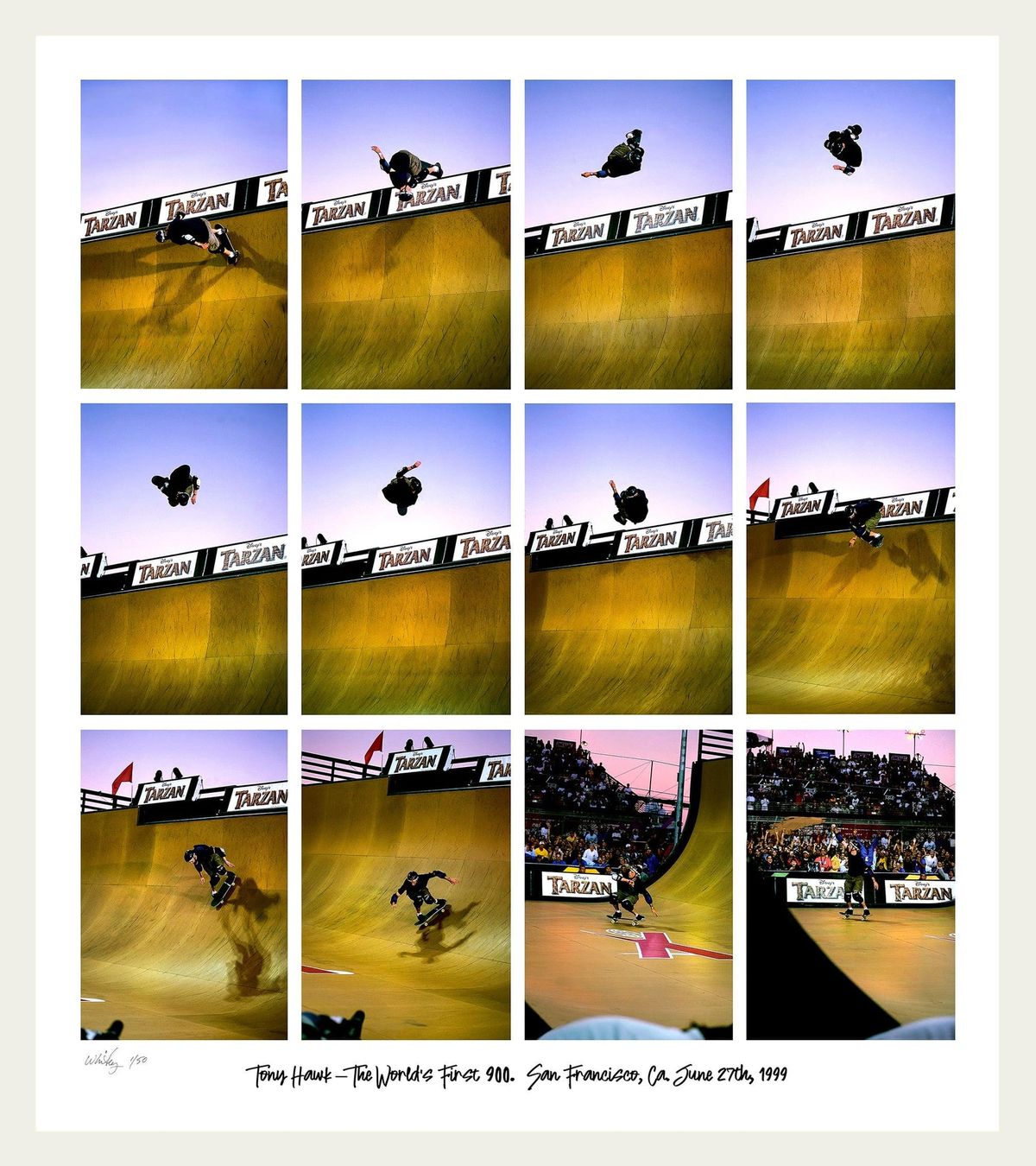
Hawk spent years pursuing the 900. He had been trying versions of it since the late 1980s and finally landed one at the X Games in San Francisco in 1999, after repeated attempts and after the competition itself was over. It became one of those moments that spilled over the already broad reach of the X Games and made news worldwide. Hawk spinning above the ramp, landing fully compressed, arms out, the crowd going wild. The trick that had eluded him for roughly a decade: finally a reality.
Twenty-five years later, a Japanese child apparently learned it on a Tuesday.
But wait! Ema Kawakami didn’t wake up one morning, discover vertical skateboarding, and land a 900 before dinner. “One day” describes only the final piece of a process: the point between knowing how to do nearly everything necessary for a 900 and actually landing one. Before that day came years of skating. There were training facilities, coaches, trainers, videos, other skaters, and thousands of repetitions of smaller rotations carefully recorded. There was also something Hawk did not have when he began trying the trick: Tony Hawk.
That changes things. A trick is different once somebody has done it. Beforehand, it was a huge question mark hiding walls after walls of frustration. Afterward, it became information.
The speed can be matched. The height can be estimated. The shoulder movement can be slowed down. You can replay the landing until the mimicking becomes second nature. Somebody can be assigned to film from different angles. Most importantly, you know it’s just a matter of reproducing what has already been done.
Skateboarding has accumulated an enormous amount of this knowledge while pretending, rather charmingly, not to have a curriculum.
There were “Skate Camps.” Mike McGill learned his McTwist at the Eurocana Summer Camp in Sweden in 1984, while everybody was at lunch, in secret, by himself. They were more an excuse to hang out with like-minded people, skate all day, and learn tricks as organically as possible.
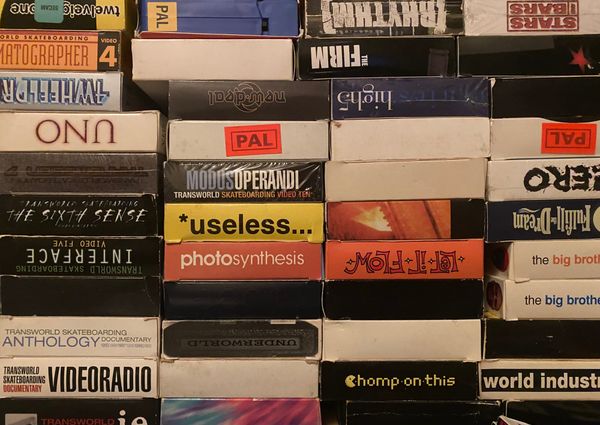
Then came the books, the tutorials, the “teachers,” the coaches, the trainers, and their slow-motion footage, and, of course, the entire video library living inside a phone. The actual textbook of skateboarding was written differently. People assembled tricks one by one, usually by falling until they made it.
When it comes to flatground, one author wrote much of that textbook. Rodney Mullen took the ollie from transition to flat and then, through the 1980s, invented an almost impossible amount of what now looks like basic skateboarding vocabulary: the modern kickflip, heelflip, 360 flip, impossible, and all their variations. Transworld Skateboarding Magazine once described him as having created “nearly every last piece” of the flatground repertoire is no exaggeration.
The same concentration happened in vert. Hawk did not invent vertical skateboarding. He arrived after people such as Tony Alva had already taken skateboarding above the coping. But once there, he spent an extraordinary amount of his career filling the space with new possibilities.
For decades, you stayed relevant by taking skateboarding to new standards: doing old tricks faster and farther, and inventing new ones.
Then came a slow turnaround, but a turnaround nonetheless. Keeping on inventing became an option sitting at a distance.
This is where Ema’s “one day” becomes more interesting than ridiculous. It is possible that he really did learn the 900 in one day, in the narrowest sense of the phrase. But skateboarding took decades to teach it to him. The trick contains all those earlier attempts, whether he feels them or not. Hawk’s falls are in there. So are the people who built better vert ramps, figured out more efficient ways of spinning, developed training methods, filmed the attempts, uploaded them, and stood next to younger skaters explaining what to change.
Ema did not have to discover the map. How could he? He was born inside it. It brings up another reading: the word progression carries a different texture, almost making it look linear and slightly boring. In practice, it is stranger. One generation spends years solving a problem. The next receives the solution as a starting point. The impossible breaks down into difficult. The difficult becomes more doable. The doable becomes something a ten-year-old does three times in a row.
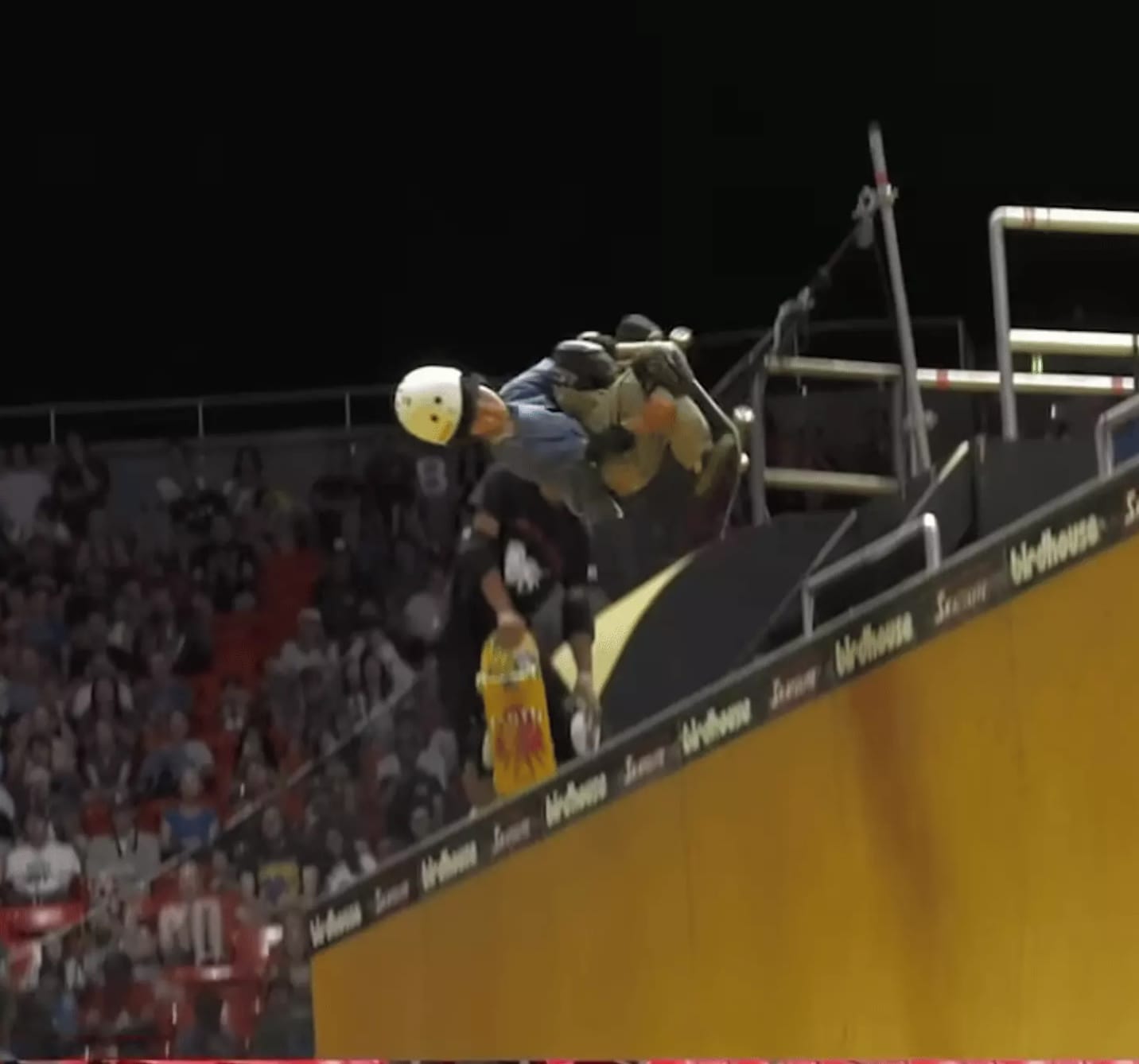
At Tony Hawk’s Vert Alert in 2024, Kawakami landed three consecutive 900s. There is something almost domestic about the image. The man who spent years bringing the trick into existence after a decade of work stands nearby while a child repeats it. Again. Again.
This is not evidence that the child is better than the man. It is evidence that the man succeeded.
The strange fate of pioneers is that if they do their job properly, eventually somebody makes their breakthroughs look ordinary. Mullen’s tricks became things children practice in parking lots or with a “skate teacher” on a Sunday morning before going to the zoo.
Perhaps this is why Hawk’s laugh in that interview is so good.
For a moment there is no legend, no history lesson, no carefully assembled hierarchy of generations. There is just an older skateboarder sitting beside a kid who has answered a perfectly reasonable question with an unreasonable answer. How long did it take you? One day.
And somewhere inside that laugh is perhaps the realization that he already knew why.